
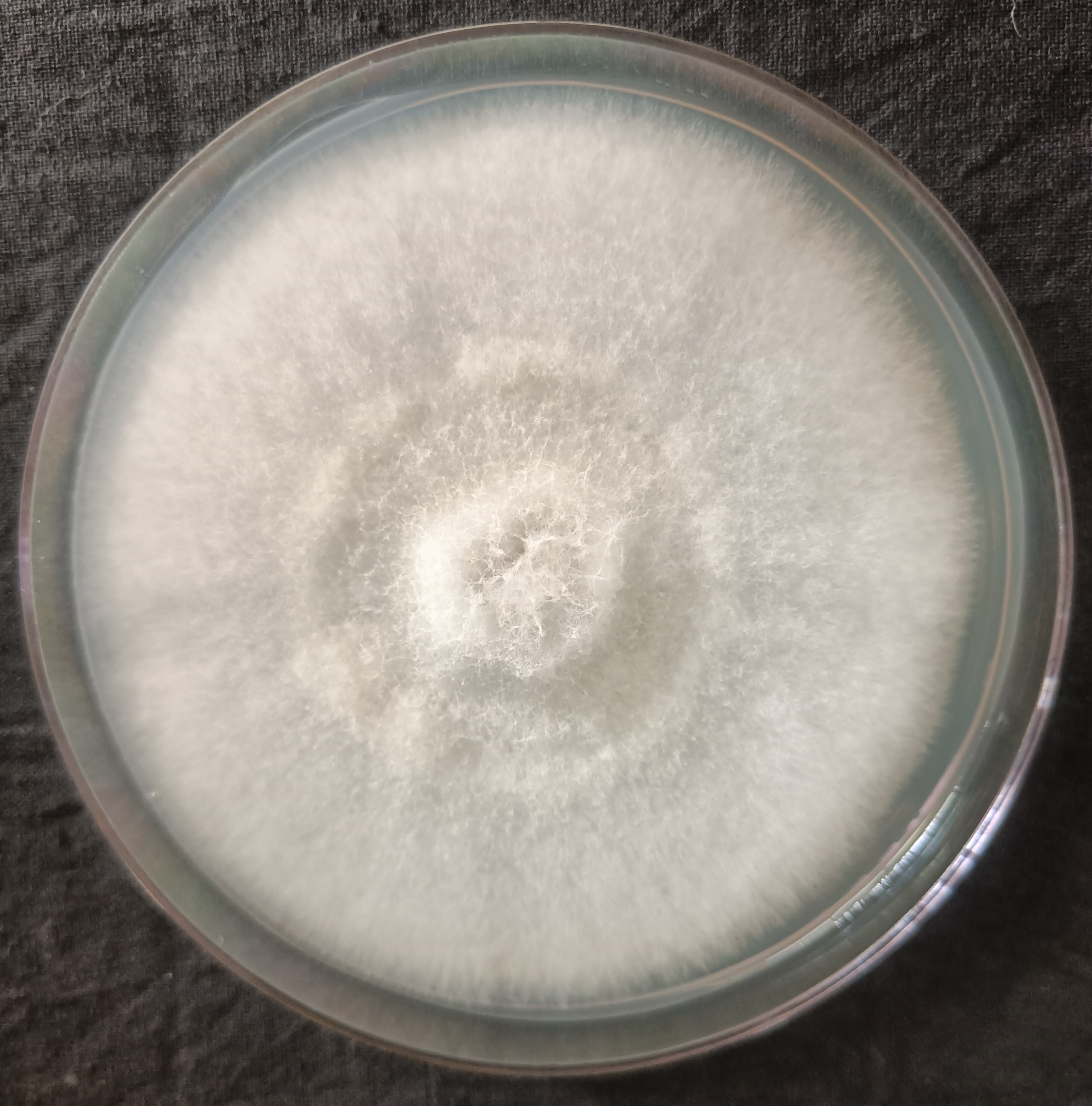
The seed health test for fungi involves the identification and detection of fungal pathogens present in seeds, serving as a crucial process for assessing seed health, ensuring germination potential, and fulfilling phytosanitary requirements for seed trade and certification.
View More
The seed health test for fungi involves the identification and detection of fungal pathogens present in seeds, serving as a crucial process for assessing seed health, ensuring germination potential, and fulfilling phytosanitary requirements for seed trade and certification.
Agar Plate Method
1. Seed preparation: Select seeds and, if necessary, surface-sterilize them using a chemical solution like 0.1% sodium hypochlorite for a specified time, followed by a rinse with sterile water.
2. Plating: Pour a sterile agar medium, such as PDA, into a Petri dish and allow it to cool and solidify. Using sterile forceps, aseptically place a specific number of seeds (e.g., 5–10) onto the surface of the agar, spacing them evenly.
3. Incubation: Incubate the plates in a controlled environment, typically at a constant temperature of around 25 ± 2°C. A 12-hour cycle of alternating light and darkness is often used to encourage fungal growth and sporulation.
4. Examination and identification: After the incubation period (which can be 7–9 days or longer), examine the plates for fungal growth. Record the number of seeds infected by fungi. To identify the fungi, examine the colony morphology and prepare slides of the fungal growth to observe spores and structures under a microscope.
5. Analysis: Further analysis may involve identifying specific fungal species using identification keys and literature.
Blotter Paper Method
1. Preparation: Place two or three layers of blotting paper in a sterile Petri dish. Moisten the paper with sterile distilled water, and then drain any excess water so the paper is damp but not waterlogged.
2. Seed placement: Place the seeds on the moist blotter paper, typically with 10 to 25 seeds per plate depending on their size, at an equal distance from each other. The International Seed Testing Association (ISTA) may recommend specific arrangements, such as placing 25 seeds in three rings.
3. Incubation: Incubate the Petri dishes for 7 days under alternating cycles of 12 hours of light and 12 hours of darkness at a controlled room temperature, often around 25 ± 2°C.
4. Examination: After 7 days, examine each seed under a stereoscopic microscope (at least 50x to 60x magnification).
5. Identification: Observe and identify the fungal growth on the seeds. For more detailed identification, take a sample of the fungal growth and prepare a slide to view under a high-power compound microscope.
| Test Method | Price per Sample | Total Amount (Incl. GST) |
|---|---|---|
| Microscopic examination and Selective media | ₹ 750.00 | ₹ 1106.25 |
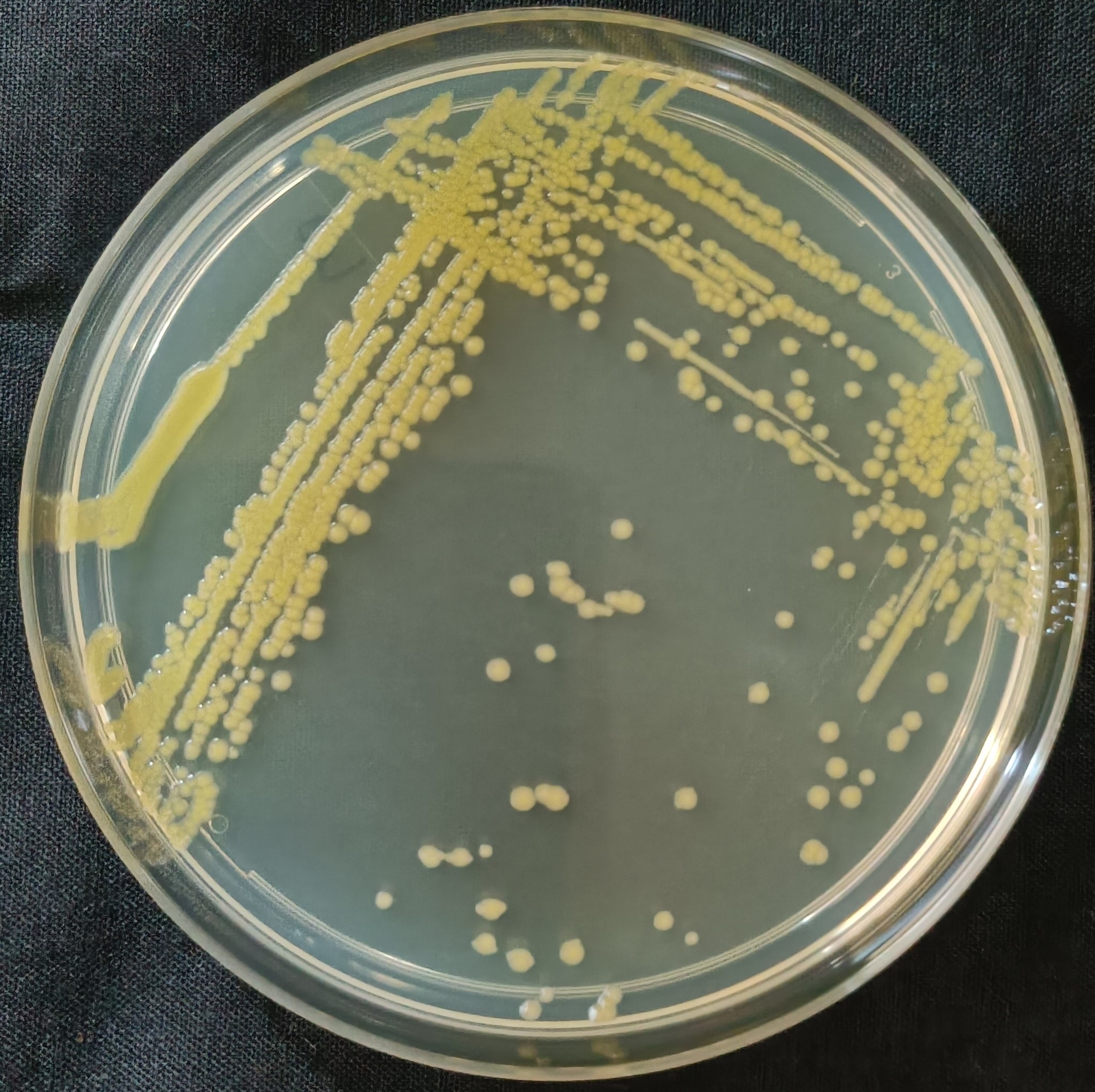
Seed health testing for bacteria is conducted to ensure seeds are free from bacterial pathogens that could impair germination, hinder crop growth, or reduce yield. This process aids in disease prevention, ensures compliance with regulatory standards, enhances crop productivity, and provides significant economic advantages.
View More
Seed health testing for bacteria is conducted to ensure seeds are free from bacterial pathogens that could impair germination, hinder crop growth, or reduce yield. This process aids in disease prevention, ensures compliance with regulatory standards, enhances crop productivity, and provides significant economic advantages.
Agar Plate Method (For Bacteria)
1. Surface sterilization: Seeds naturally carry a diverse community of bacteria and fungi on their surface. Sterilization with agents like ethanol and sodium hypochlorite is essential to kill these external microbes and ensure that only internal bacteria (endophytes) are isolated.
2. Seed maceration and serial dilution: Transfer a known number of sterilized seeds into a sterile mortar and pestle or a tube with a sterile diluent. Add a small volume of sterile diluent (e.g., 10 mL) and macerate the seeds to release internal bacteria. Vortex or mix the solution thoroughly to create a uniform bacterial suspension. Prepare a serial dilution series by transferring 1 mL of the initial seed suspension into the first tube of sterile diluent (Tube 1), giving a 1:10 dilution. Mix the tube well. Repeat the process by transferring 1 mL from Tube 1 to Tube 2, and continue this process until a series of dilutions (e.g., 10⁻¹ to 10⁻⁷) is created.
3. Plating and incubation: Use a sterile micropipette to transfer a small volume (e.g., 100 µL) from the selected dilution tubes onto separate, labeled nutrient agar plates. Spread the liquid sample evenly over the entire agar surface using a sterile, L-shaped glass spreader. This is the spread plate method, and the goal is to get individual colonies. Invert the plates to prevent condensation from dripping onto the agar surface and incubate them at an appropriate temperature (e.g., 30°C) for 24–48 hours.
4. Isolation and analysis: After incubation, examine the plates for bacterial colonies. Select plates with 30–300 colonies, as this range is most accurate for counting. Count the number of colonies to estimate the bacterial load (Colony Forming Units or CFU) in the original seed sample. Select individual colonies with different morphologies (shape, color, texture) and streak them onto new agar plates to obtain pure cultures. The pure isolates can then be used for further identification and characterization through techniques such as Gram staining and molecular analysis.
| Test Method | Price per Sample | Total Amount (Incl. GST) |
|---|---|---|
| Selective media and PCR | ₹ 1250.00 | ₹ 1844.00 |
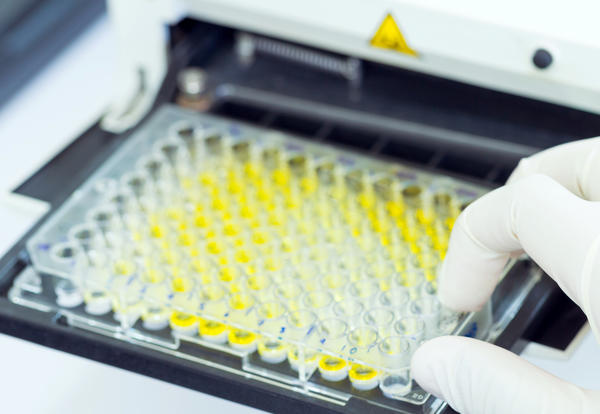
Virus seed testing is a critical procedure in agriculture aimed at detecting and quantifying viral pathogens that can adversely affect seed quality, crop health, and overall agricultural productivity. Viruses can severely impact plant growth, leading to reduced yields and compromised plant vigor.Plant virus diseases are one of the major constraints to the global agriculture industry. The frequent emergence of new diseases is mainly due to international trade, climate change, and the ability of viruses for rapid evolution. Early and accurate detection and diagnosis, both in plants and carrier vectors, play a critical role in reducing disease spread and developing effective management strategies.
View More
Virus seed testing is a critical procedure in agriculture aimed at detecting and quantifying viral pathogens that can adversely affect seed quality, crop health, and overall agricultural productivity. Viruses can severely impact plant growth, leading to reduced yields and compromised plant vigor.Plant virus diseases are one of the major constraints to the global agriculture industry. The frequent emergence of new diseases is mainly due to international trade, climate change, and the ability of viruses for rapid evolution. Early and accurate detection and diagnosis, both in plants and carrier vectors, play a critical role in reducing disease spread and developing effective management strategies.
Molecular Methods (PCR and RT-PCR)
Sample Preparation and RNA Extraction
1. Tissue homogenization: The seeds must first be ground into a fine powder, typically using a mortar and pestle with liquid nitrogen or a bead-mill homogenizer. This step is critical for breaking down the hard seed coat and cells to release the nucleic acids.
2. Buffer selection: Specialized extraction buffers (such as TRIzol or CTAB-based buffers) are used to prevent RNA degradation and remove contaminants.
3. Purification: Contaminants are removed through a series of washes and centrifugations. For particularly problematic seeds, a column-based purification step is often added.
4. Quality control: The concentration and purity of the extracted RNA are assessed using a spectrophotometer, measuring the A260/A280 and A260/A230 ratios. Agarose gel electrophoresis can also be used to check for RNA integrity.
Reverse Transcription (RT)
cDNA synthesis: A reverse transcriptase enzyme is used to create a single-stranded complementary DNA (cDNA) molecule from the messenger RNA (mRNA) template.
Priming: The reaction requires a primer to bind to the RNA template. The type of primer depends on the target:
Polymerase Chain Reaction (PCR)
1. Amplification: The newly synthesized cDNA is used as a template in a standard PCR, which amplifies the target DNA sequence exponentially.
2. Primers: Specific forward and reverse primers are designed to flank the target sequence of interest, ensuring only the intended DNA is amplified.
Product Analysis
Conventional RT-PCR: The PCR products are run on an agarose gel and stained with a fluorescent dye to confirm the presence of an amplified band of the correct size.
Quantitative RT-PCR (RT-qPCR): A real-time approach monitors the amplification of DNA as it occurs by using a fluorescent reporter. This allows for quantification of the initial RNA concentration.
| Test Method | Price per Sample | Total Amount (Incl. GST) |
|---|---|---|
| RT-PCR | ₹ 1500.00 | ₹ 2213.00 |
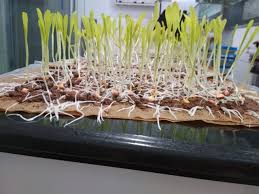
Viroids are small, circular RNA molecules that can cause significant diseases in plants, often leading to severe growth and yield reductions. Unlike viruses, viroids do not encode proteins; instead, they rely on the host's cellular machinery for replication. Testing for viroids in seeds is essential for maintaining seed quality and ensuring healthy crop production.
View More
Viroids are small, circular RNA molecules that can cause significant diseases in plants, often leading to severe growth and yield reductions. Unlike viruses, viroids do not encode proteins; instead, they rely on the host's cellular machinery for replication. Testing for viroids in seeds is essential for maintaining seed quality and ensuring healthy crop production.
| Test Method | Price per Sample | Total Amount (Incl. GST) |
|---|---|---|
| RT-PCR | ₹ 1500.00 | ₹ 2213.00 |
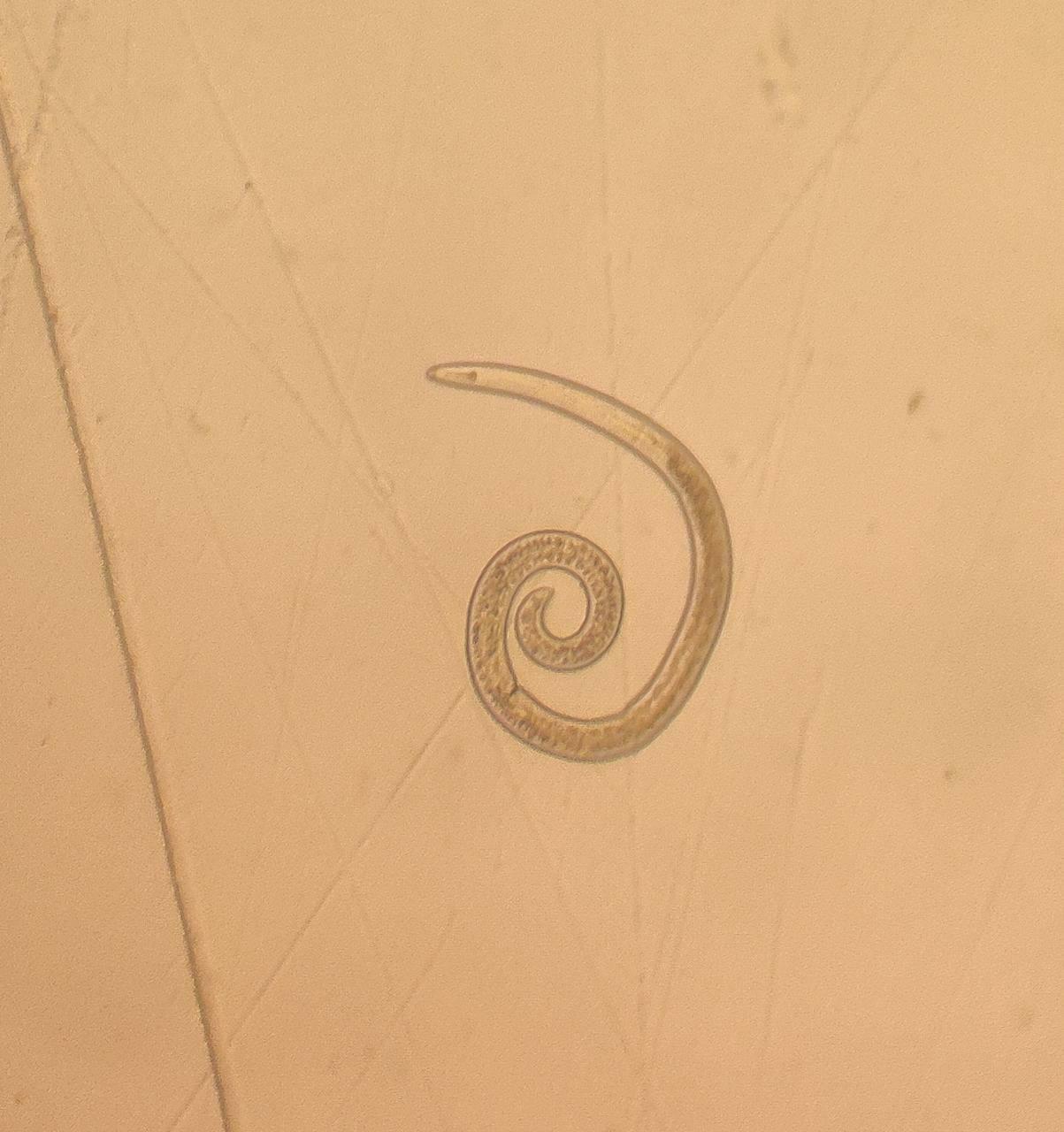
Nematodes are a group of microscopic, worm-like organisms that can be beneficial or harmful to plants and the soil in agriculture. Seed-borne nematodes are one of the most important biotic constraints in the crop production worldwide. Nematode diseases associated with seed usually go unnoticed as infected plants are rarely killed. They cause direct damage to the seed which may be internal ormay occur as seed infestation.
View More
Nematodes are a group of microscopic, worm-like organisms that can be beneficial or harmful to plants and the soil in agriculture. Seed-borne nematodes are one of the most important biotic constraints in the crop production worldwide. Nematode diseases associated with seed usually go unnoticed as infected plants are rarely killed. They cause direct damage to the seed which may be internal ormay occur as seed infestation.
Sieving Method (Nematodes)
1. Set up: Place a fine mesh sieve (e.g., 250 µm) over a basin. Line the sieve with a permeable material like filter paper and moisten it.
2. Soak seeds: Put the seeds in the lined sieve and add enough water to cover them completely. Allow them to soak for a minimum of 24 hours at room temperature.
3. Collect nematodes: Carefully remove the sieve with the seeds. The water in the basin now contains the nematodes that have migrated out.
4. Filter and concentrate: Filter the water from the basin through a very fine mesh sieve (e.g., 20 µm) to collect all the nematodes. Rinse the original sieve and basin to ensure all nematodes are collected.
5. Examine: Transfer the contents of the fine mesh sieve into a Petri dish with the minimum amount of water to create a suspension for microscopic examination.
| Test Method | Price per Sample | Total Amount (Incl. GST) |
|---|---|---|
| Extraction & Microscopic Examination | ₹ 500.00 | ₹ 738.00 |
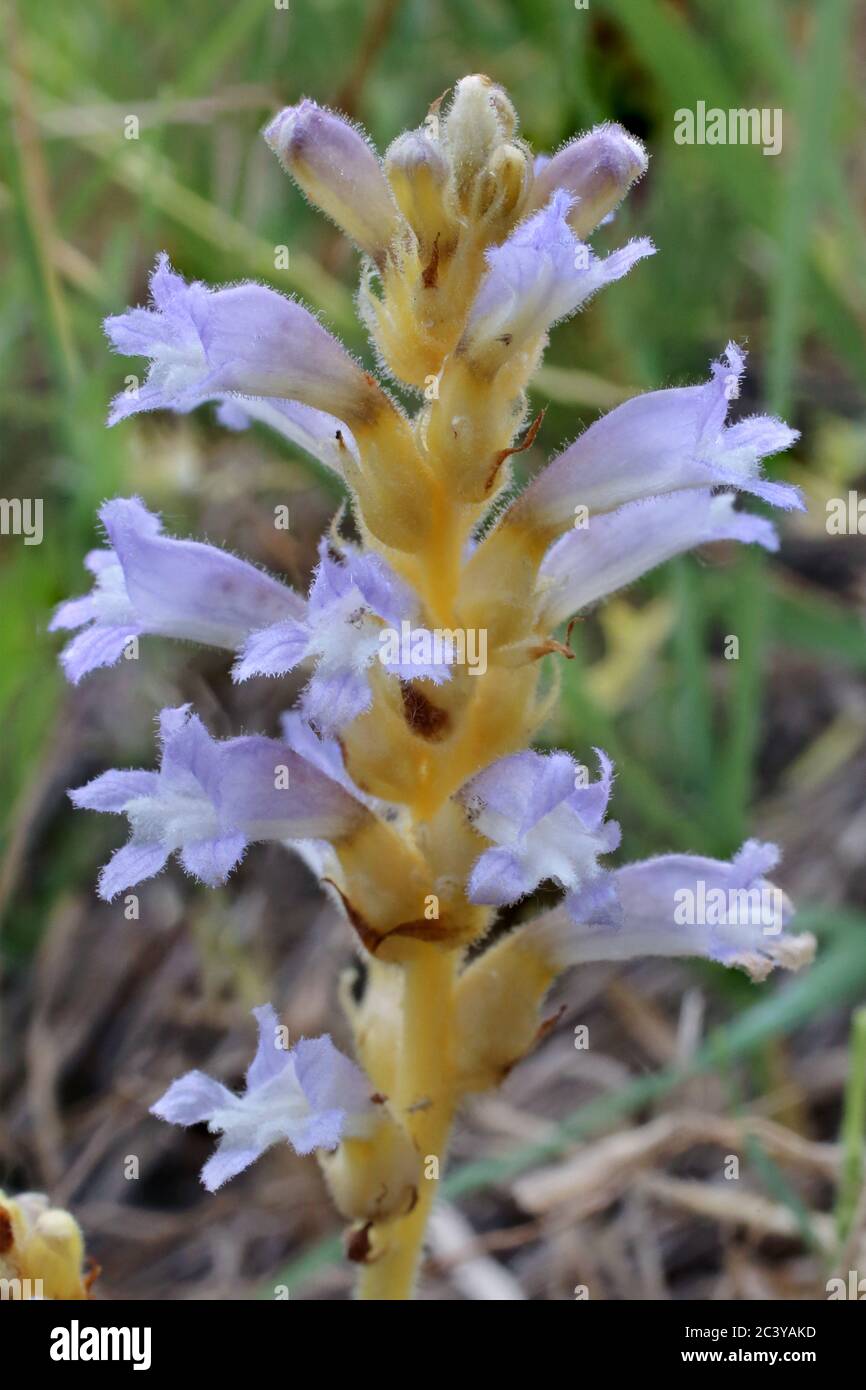
Weeds are unwanted plants that can severely impact agricultural productivity by competing with crops for nutrients, water, and light. Testing seeds for the presence of weed seeds is essential for effective crop management and maintaining the health of agricultural ecosystems.Weed seeds are easy to blend into other seeds of agricultural and forestry crops and other plant products, realizing the spread of weeds under natural conditions. By invading the growing environment of crops, wild native plants and other target plants, crop production is greatly reduced and ecological environment is seriously damaged.
View More
Weeds are unwanted plants that can severely impact agricultural productivity by competing with crops for nutrients, water, and light. Testing seeds for the presence of weed seeds is essential for effective crop management and maintaining the health of agricultural ecosystems.Weed seeds are easy to blend into other seeds of agricultural and forestry crops and other plant products, realizing the spread of weeds under natural conditions. By invading the growing environment of crops, wild native plants and other target plants, crop production is greatly reduced and ecological environment is seriously damaged.
| Test Method | Price per Sample | Total Amount (Incl. GST) |
|---|---|---|
| Visual observation | ₹ 200.00 | ₹ 295.00 |
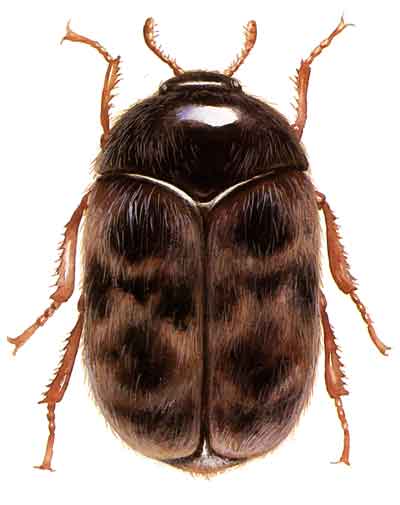
Insect infestations can pose a significant threat to agricultural productivity by damaging crops, spreading diseases, and reducing seed viability. Testing seeds for the presence of insect pests is crucial for ensuring seed quality and promoting healthy plant growth.Insects can infest seeds by laying eggs in or among the kernels. The eggs hatch into larvae within a few days, and the larvae go through a series of growth stages.
View More
Insect infestations can pose a significant threat to agricultural productivity by damaging crops, spreading diseases, and reducing seed viability. Testing seeds for the presence of insect pests is crucial for ensuring seed quality and promoting healthy plant growth.Insects can infest seeds by laying eggs in or among the kernels. The eggs hatch into larvae within a few days, and the larvae go through a series of growth stages.
| Test Method | Price per Sample | Total Amount (Incl. GST) |
|---|---|---|
| Microscopic Examination | ₹ 500.00 | ₹ 738.00 |
-
| Test Method | Price per Sample | Total Amount (Incl. GST) |
|---|---|---|
| PCR | ₹ 6000.00 | ₹ 8850.00 |
-
| Test Method | Price per Sample | Total Amount (Incl. GST) |
|---|---|---|
| qRT-PCR | ₹ 6000.00 | ₹ 8850.00 |
We provide a comprehensive range of seed testing services to ensure quality and health of your seeds. From pathogens to genetic testing, our lab is equipped to handle all your testing needs.
Seed Submission
A Step-by-Step Form to Submit Your Seeds for Testing